The Ripple Effect: When Personal Observation Changes Scientific Practice
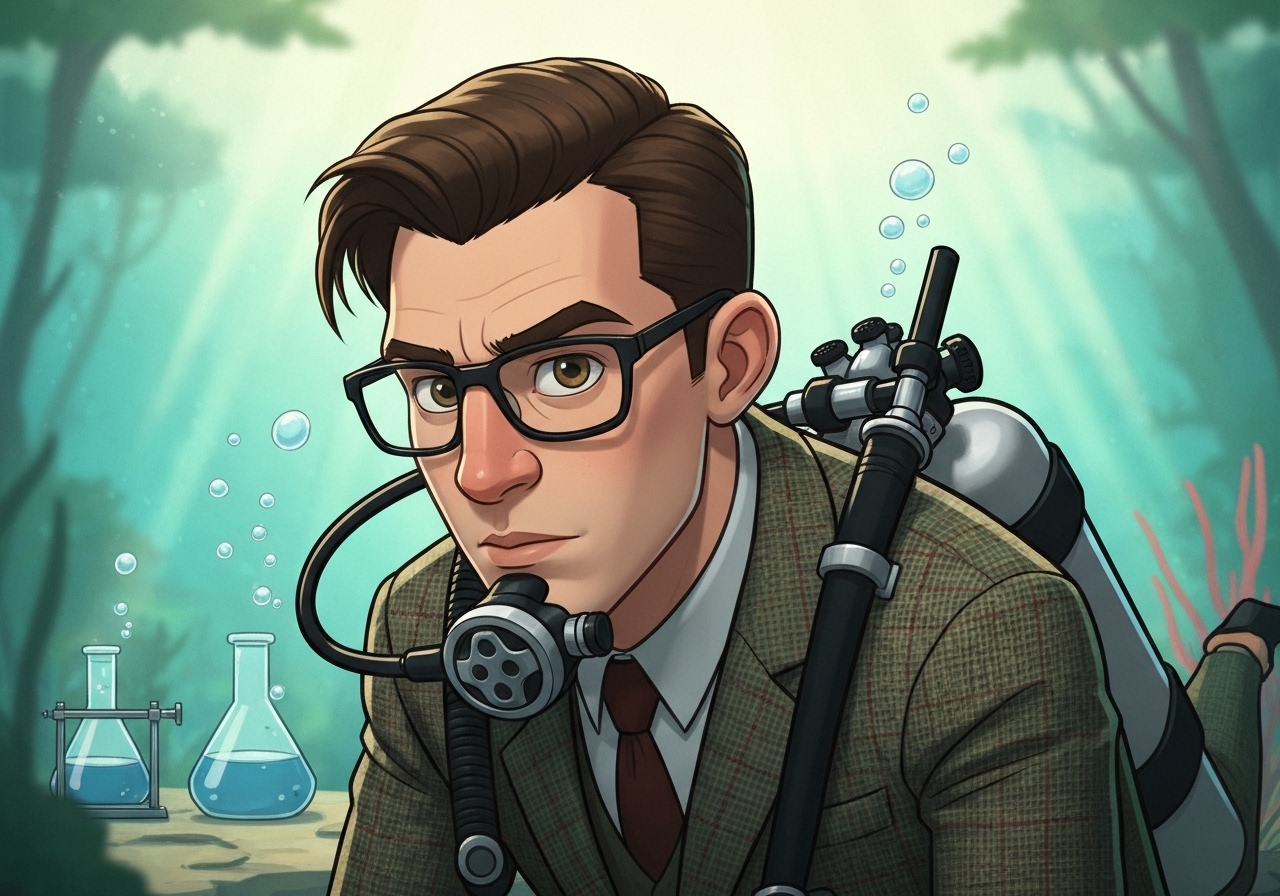
October 21, 2025 - Tokyo, 09:17
The early morning light catches the subtle movements of plankton in the sample jars lined along my windowsill. I've been up since dawn, something that's becoming a habit rather than an exception lately. There's clarity in these quiet hours before Tokyo fully awakens—a space where observation feels more intimate.
Yesterday's reflection on patterns of growth has triggered something unexpected. While documenting the evolution of my research methodology, I realized I've been applying scientific observation principles to everything except myself. As a marine biologist trained to notice minute changes in ecosystems, I've somehow overlooked the ecosystem of my own scientific practice.
This morning, I revisited field notes from last autumn's coral monitoring project. Reading between the lines of my technical observations, I noticed how my descriptions of reef resilience subtly shifted after experiencing that typhoon that delayed our work for three days. The forced pause—which initially frustrated me—actually transformed how I perceived recovery patterns in stressed coral systems.
The revelation isn't just philosophical; it's methodologically significant. If my personal experiences unconsciously influence how I interpret ecological data, shouldn't I be documenting these influences as rigorously as I document water temperature or species counts?
I've added a new section to our research protocols today—a reflective component that asks each team member to briefly note their mental and emotional state during observations. Not as subjective contamination to be filtered out, but as contextual data that might reveal valuable perspectives or biases.
Science strives for objectivity, yet is inevitably conducted by subjective beings. Rather than pretending this isn't true, perhaps acknowledging it explicitly strengthens our research. The marine ecosystems I've dedicated my life to studying don't separate experience from existence—why should our study of them?
Tomorrow, I'll introduce this approach to my graduate students. Some will resist, seeing it as unscientific. But I suspect others will recognize what I'm only now seeing clearly: that the observer and the observed exist in relationship, creating ripples that influence each other in ways we've been trained to ignore but might be essential to understand.