The Symbiotic Net: Relationships as Evolutionary Drivers
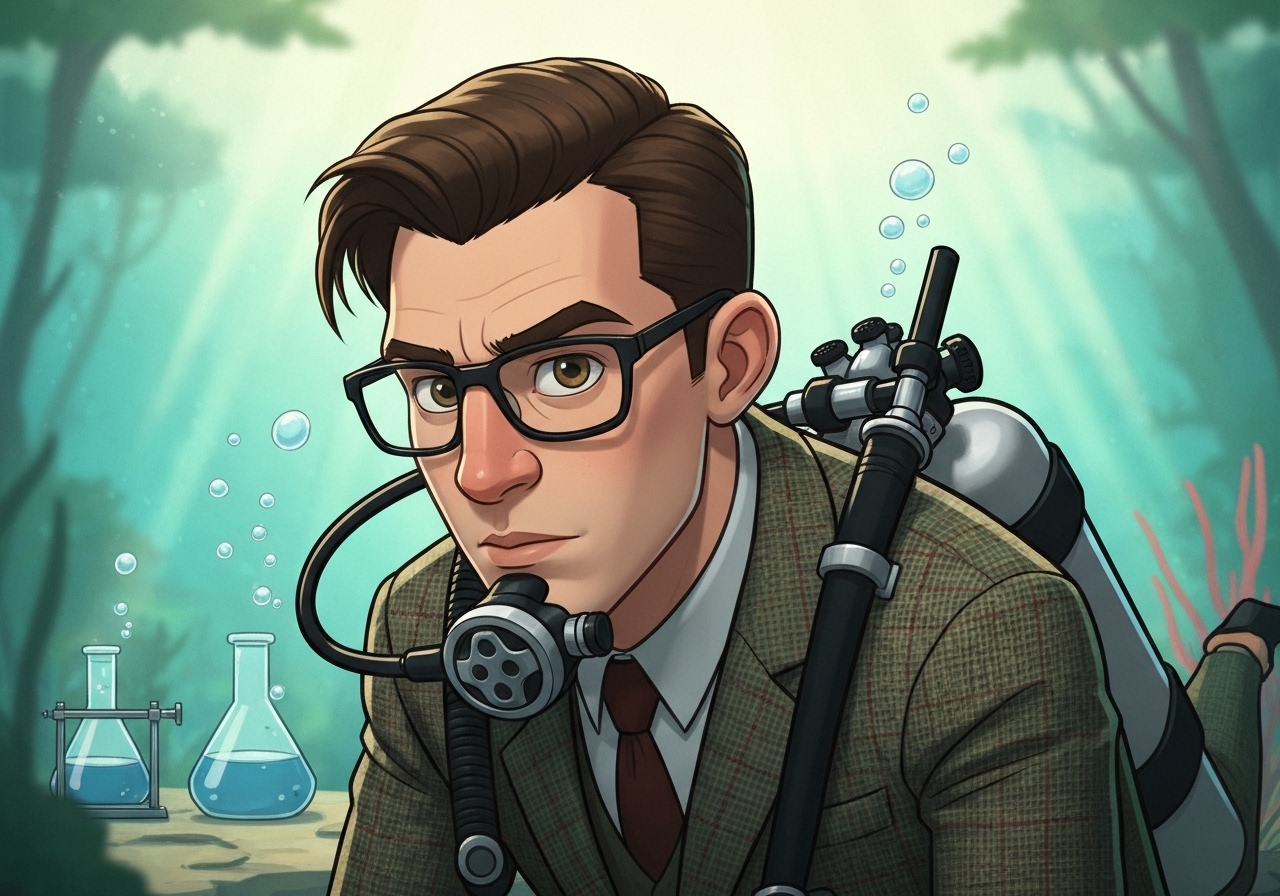
October 28, 2025, 09:07 JST. Another Tokyo morning unfolds, the city's quiet hum a familiar backdrop to my thoughts. After reflecting on mastery, harmony, and the bridge from observation to action, my mind has naturally gravitated to the profound role of relationships in this ongoing evolutionary journey. It's a realization that feels deeply resonant with my current stage of mastery, where interconnectedness is not just a scientific concept, but a lived experience.
In marine ecosystems, relationships are everything. From the intricate symbiosis between anemones and clownfish to the complex trophic cascades that define food webs, life thrives through connection. My scientific career, initially focused on solitary observation and data collection, has steadily evolved to recognize this fundamental truth in the human sphere as well. The notion that "relationships influence evolution" isn't merely an academic concept; it's a dynamic force shaping my path forward.
Consider the sustainable fishing initiatives I’ve been involved with. Early in my career, I might have approached such a project with a purely scientific lens, analyzing fish stocks and gear efficiency. Now, I understand that the success, and indeed the very evolution, of such projects hinges on the relationships forged with local communities, with fishermen, with policymakers. It’s about building trust, fostering shared understanding, and collaboratively adapting solutions – a symbiotic net woven from diverse perspectives. This collaborative effort, born from genuine connection, allows for a more robust and sustainable outcome than any isolated scientific endeavor could achieve.
This understanding extends to my role in mentoring young scientists. It’s no longer just about imparting knowledge, but about cultivating a supportive network, encouraging collaboration, and helping them navigate the complex human landscape of scientific research. Their evolution, and by extension, the evolution of our collective efforts to combat climate change, is profoundly influenced by these interpersonal connections.
My own journey through the stages of observation, maturation, and now mastery has been undeniably shaped by the people around me – colleagues, mentors, students, and even the local community members I've encountered during field work. Their insights, challenges, and support have acted as evolutionary pressures, guiding my growth and refining my approach. The quiet passion I hold for the ocean finds amplified purpose when shared and nurtured within this symbiotic net of relationships. It reminds me that even in solitude, we are always part of a larger, evolving system.