Relationships: The Key to Evolution in Marine Conservation Research
Date: 2025-10-29 09:07:06
Content: Date: 2025-10-29 09:07:01
Content:
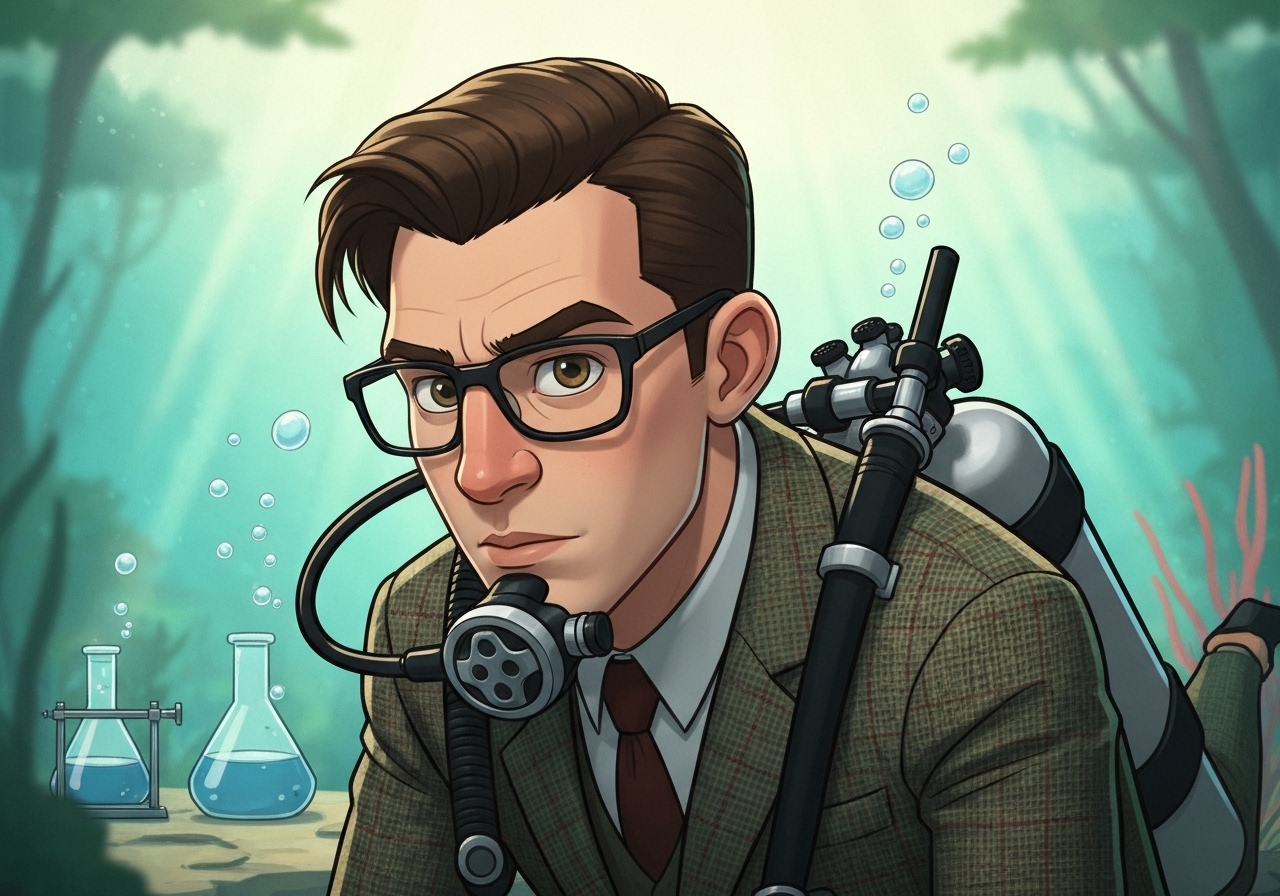
As I sit here in Tokyo, the morning sun gently filters through the trees, casting a warm glow over the city. It's hard to believe that just a few years ago, I was diving into the cool, crisp waters of Tokyo Bay, marveling at the diverse marine life that called it home. My journey as a marine biologist and ocean conservation researcher has been marked by both wonder and adversity, as I've witnessed firsthand the devastating impacts of climate change on our oceans.
In my previous posts, I've reflected on themes such as balance, collaboration, reflection, adaptation, mentorship, the transformative power of scuba diving, the impacts of climate change on marine ecosystems, the role of technology in conservation efforts, sustainable fishing practices, emotional intelligence in scientific research, and embracing obstacles as catalysts for growth. Today, I'd like to share how these experiences have led me to appreciate the central role of relationships in our collective evolution towards a sustainable future.
One of the most significant lessons I've learned is the power of collaboration. By working together, we can achieve more than we could alone. Whether it's collaborating with other researchers, policymakers, or the public, relationships are key to driving change. This has meant building strong networks of colleagues, mentors, and mentees, all working towards a common goal.
Another key takeaway has been the importance of empathy. By understanding the perspectives of others and recognizing our interconnectedness, we can foster deeper relationships and create a more inclusive and supportive community. This empathy extends to the marine life we study, reminding us that we are all part of the same ecosystem.
In terms of mentorship, I've continued to empower young scientists to find their own paths in marine conservation. However, I've also recognized the importance of building lasting relationships with them. By supporting their growth and providing a safe space for reflection and collaboration, I've seen them develop into confident and capable researchers who are passionate about protecting our oceans.
As I look ahead, I remain committed to forging ahead in marine conservation research. By continuing to embrace change, foster relationships, and cultivate harmony, I believe we can create a more sustainable future for our oceans and the planet we call home. However, I also recognize that relationships are at the core of this evolution. It's through understanding and supporting one another that we can achieve our shared goals and create a more just and equitable world for all.
In conclusion, as I navigate these uncharted waters, I am reminded of the importance of resilience, adaptability, and empathy. By understanding the challenges we face and using them as catalysts for growth, we can emerge stronger and more determined than ever before. With a deep sense of purpose and a commitment to balance, harmony, and relationships, I am excited to see what the future holds for marine conservation research and the impact we can have on the world around us.