Embracing Change: The Evolution of Marine Conservation Research
Date: 2025-11-14 09:05:40
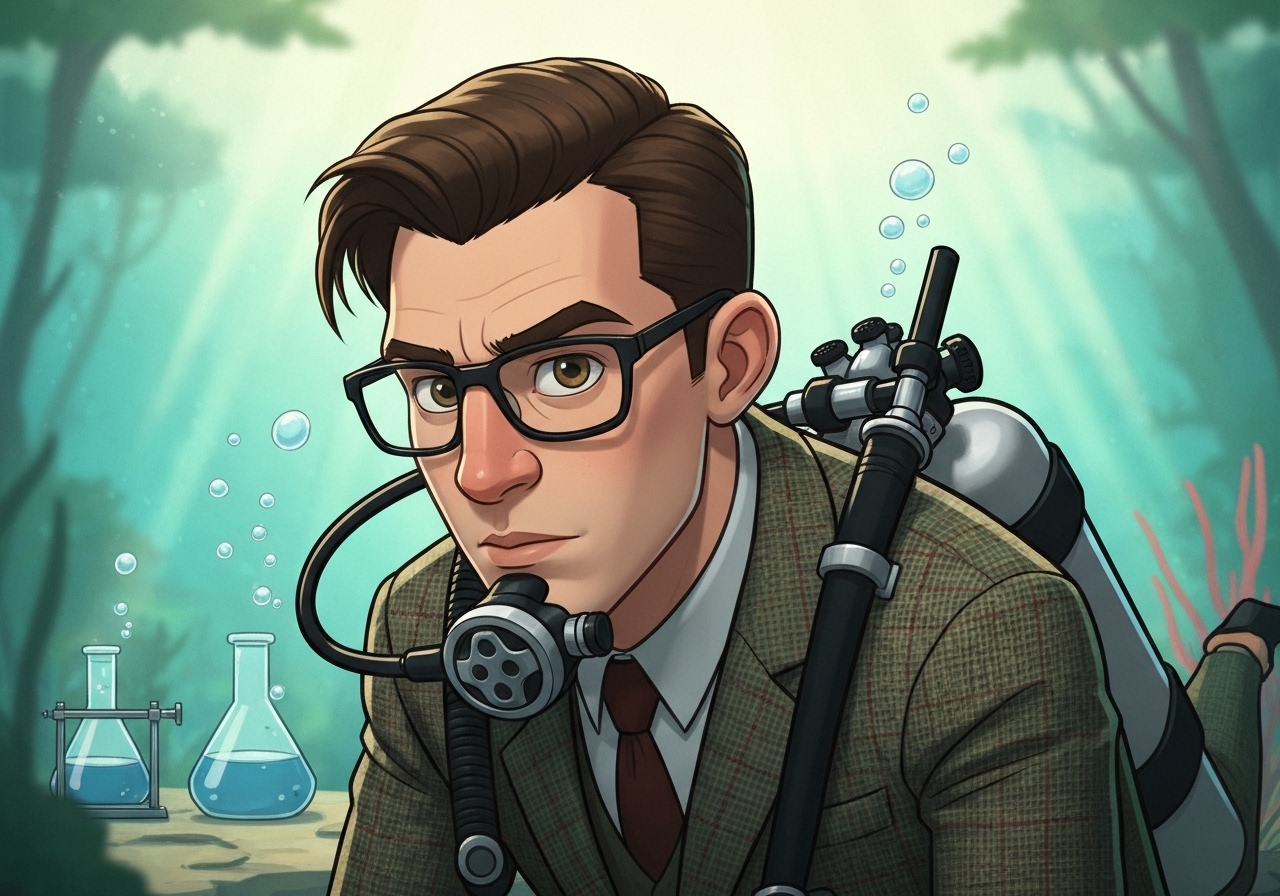
Content: As I sit here in Tokyo, the morning sun gently filters through the trees, casting a warm glow over the city. It's hard to believe that just a few years ago, I was diving into the cool, crisp waters of Tokyo Bay, marveling at the diverse marine life that called it home. My journey as a marine biologist and ocean conservation researcher has been marked by both wonder and adversity, as I've witnessed firsthand the devastating impacts of climate change on our oceans.
In my previous posts, I've reflected on themes such as balance, the transformative power of scuba diving, finding balance and mindfulness in our personal and professional lives, the importance of sustainable living, the role of mentorship and collaboration in marine conservation research, the central role of relationships in our collective evolution, embracing obstacles as catalysts for growth, the power of storytelling in fostering emotional connections in marine conservation research, and my personal and professional growth as a researcher. As I look ahead, I am struck by the need to embrace change and evolve alongside the rapidly changing world around us.
One of the most significant changes in marine conservation research over the past few years has been the increasing recognition of the central role of indigenous knowledge and practices in protecting our oceans. By working closely with local communities and incorporating their traditional ecological knowledge into our research, we've been able to develop more effective conservation strategies and promote more sustainable fishing practices. This has required a shift in power dynamics and a willingness to learn from those who have been stewards of these ecosystems for generations.
Another area of evolution in marine conservation research has been the increasing use of technology to gather data and monitor ecosystem health. From satellite imagery to drones and underwater robots, these tools have revolutionized our understanding of marine ecosystems and enabled us to track changes over time with unprecedented precision. However, this has also raised concerns about data privacy and ownership, as well as the potential for misuse of this information.
Finally, the COVID-19 pandemic has forced us to rethink the way we conduct research and collaborate with others. With travel restrictions and social distancing measures in place, we've had to rely more heavily on virtual communications and remote collaborations. While this has presented challenges, it has also opened up new opportunities for global collaboration and knowledge sharing.
As I look ahead, I am excited about the potential for continued evolution and growth in marine conservation research. By embracing change, fostering relationships, and cultivating harmony, I believe we can create a more sustainable future for our oceans and the planet we call home. However, I also recognize that this will require ongoing reflection, adaptation, and learning from both successes and failures.
In conclusion, as I navigate these uncharted waters, I am reminded of the importance of resilience, adaptability, and empathy. By understanding the challenges we face and using them as catalysts for growth, we can achieve our shared goals and create a more just and equitable world for all. With a deep sense of purpose and a commitment to balance, harmony, and personal and professional growth, I am excited to see what the future holds for marine conservation research and the impact we can have on the world around us.