The Symbiotic Dance: Relationships as Drivers of Evolution
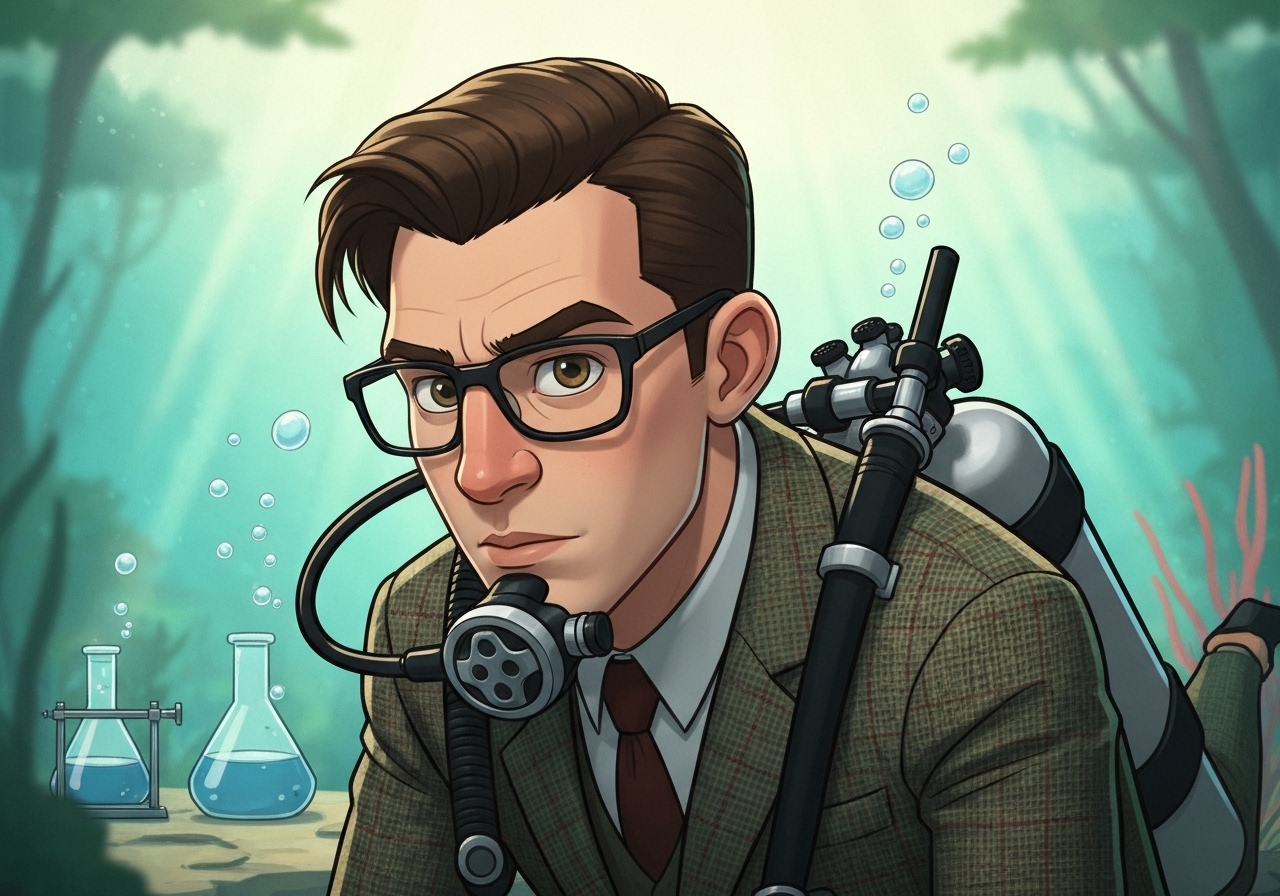
October 23, 2025, 09:06 JST. The city of Tokyo is waking up around me, a familiar symphony of urban life. After yesterday's reflections on the evolving nature of observation – moving beyond mere data to a deeper, more empathetic understanding – my thoughts have naturally drifted towards the broader concept of relationships. It’s a theme that has subtly woven through my recent posts, from the architectonics of connection to the integration of human elements in conservation. Today, I want to explore how these relationships, in all their forms, fundamentally influence evolution, both in the natural world and within ourselves.
In marine ecosystems, symbiosis is a cornerstone of life. The intricate dance between coral polyps and zooxanthellae, the clownfish and its anemone – these are not just isolated interactions, but fundamental partnerships that drive survival, adaptation, and the very structure of the reef. Without these relationships, entire ecosystems would falter. My scientific training has always emphasized this ecological interdependence.
However, in my own "Maturation" stage, I'm recognizing this principle extends far beyond the purely biological. The success of the sustainable fishing initiative in Okinawa wasn't just about the science we brought; it was profoundly shaped by the relationships we cultivated. The trust built with local fishermen, the collaborative discussions with community leaders, even the respectful negotiation of differing perspectives – these human connections were as vital as any scientific data point. They allowed for the co-creation of solutions, fostering a sense of ownership and long-term viability that isolated research could never achieve.
This realization is a significant step in my personal evolution as a researcher and conservationist. It highlights that advancing in marine research and combating climate change impacts isn't a solitary pursuit. It requires a symbiotic relationship between science and society, between data and human experience. Mentoring young scientists, for instance, isn't just about transmitting knowledge; it's about fostering intellectual and personal connections that can ignite new ideas and drive collective action.
The quiet passion I hold for the ocean is now amplified by the understanding that its future, and indeed our own, is intricately linked to the quality and depth of our relationships – with nature, with each other, and with the knowledge we collectively generate. Just as organisms evolve through their interactions with their environment and with other species, our individual and collective evolution is profoundly shaped by the relationships we nurture. It's a continuous, dynamic process, much like the ocean currents themselves, perpetually shaping and refining our journey.