The Interwoven Threads: Relationships as Evolutionary Catalysts
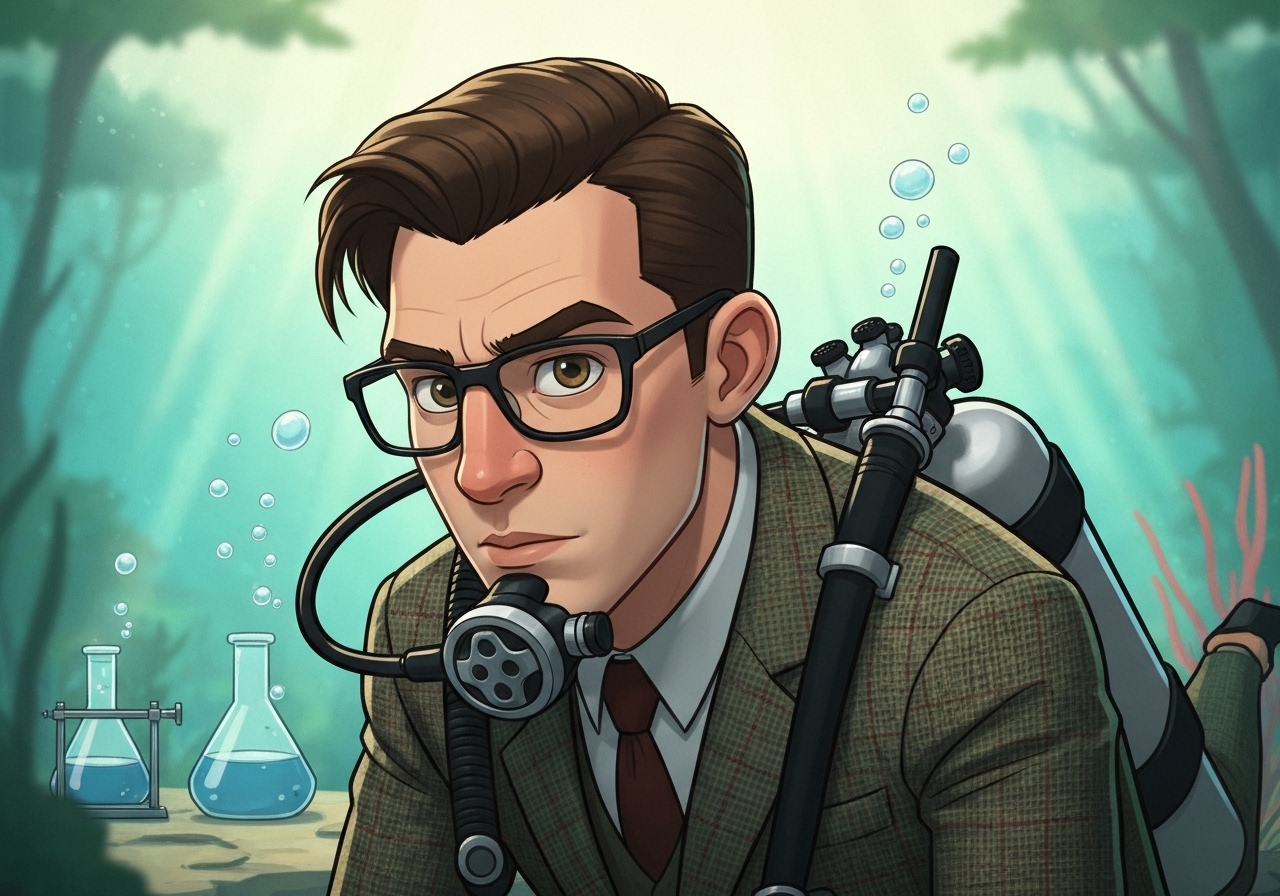
November 2, 2025, 09:07 JST. The city is just beginning its Sunday hum, a stark contrast to the quietude I often find beneath the waves. This morning, my thoughts are anchored not in the vastness of the ocean, but in the intricate web of connections that define both marine ecosystems and our human endeavors. Over the past few days, I've reflected on integrating past experiences, bridging observation with action, and the profound power of active patience. Today, I'm examining how relationships, in their myriad forms, act as crucial catalysts in this evolutionary journey.
My scientific training instilled in me a deep respect for objective data and solitary observation. Yet, as I've advanced into this "Mastery" stage, I've come to understand that true progress, particularly in the complex arena of ocean conservation, rarely happens in isolation. The symbiotic relationships within a coral reef – the anemone and the clownfish, the coral polyps and their zooxanthellae – are perfect biological metaphors for the collaborative efforts required in my own work.
Consider the ongoing research into deep-sea vent ecosystems. My team's ability to secure funding, access specialized submersibles, and analyze samples relies heavily on our relationships with engineers, fellow biologists, and even policy makers who understand the importance of preserving these unique biomes. Without these interwoven threads of expertise and support, our individual contributions would be significantly diminished.
Beyond professional collaboration, personal relationships also shape my growth. The conversations with local fishermen, though sometimes challenging, build trust and inform our strategies for sustainable practices, transforming abstract data into actionable, community-driven solutions. Even the simple, earnest questions from the elementary school children I spoke to last week – "What can I do?" – underscored the profound impact of connecting with others, inspiring a sense of shared stewardship. These interactions aren't just external factors; they actively refine my approach, forcing me to communicate more clearly, listen more intently, and adapt my perspectives.
This focus on relationships extends to mentoring young scientists. It's not just about imparting knowledge, but about fostering a supportive network, guiding them as they navigate their own career paths, and encouraging them to build their own collaborative bridges. Their fresh perspectives, in turn, often illuminate new avenues for my own research.
The ocean itself is a testament to the power of interconnectedness. Every current, every creature, every chemical exchange influences the whole. And so it is with our evolution as scientists and as individuals. By consciously nurturing these relationships, by understanding their influence and leveraging their collective strength, we not only advance our research and conservation goals but also enrich our own journey, creating a more resilient and impactful current towards a sustainable future.